

A documented starting point
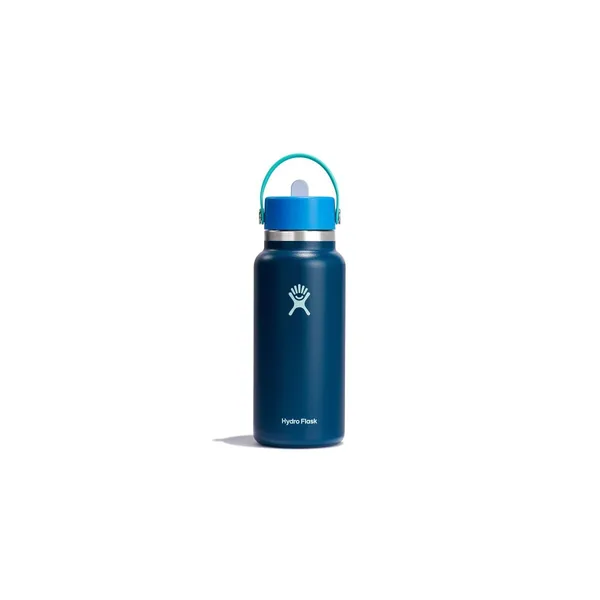
YETI describes its Rambler drinkware as dishwasher-safe and publishes separate cleaning instructions for lids and caps. That makes the range a useful starting point when clear care documentation is a priority. Choose the exact cap style for your routine, then review its disassembly instructions before buying.
A simple cap may be easier to maintain than a mechanism with several hidden passages. That is a practical design consideration, not proof that one bottle sanitizes better or lasts longer.
Fit and access matter
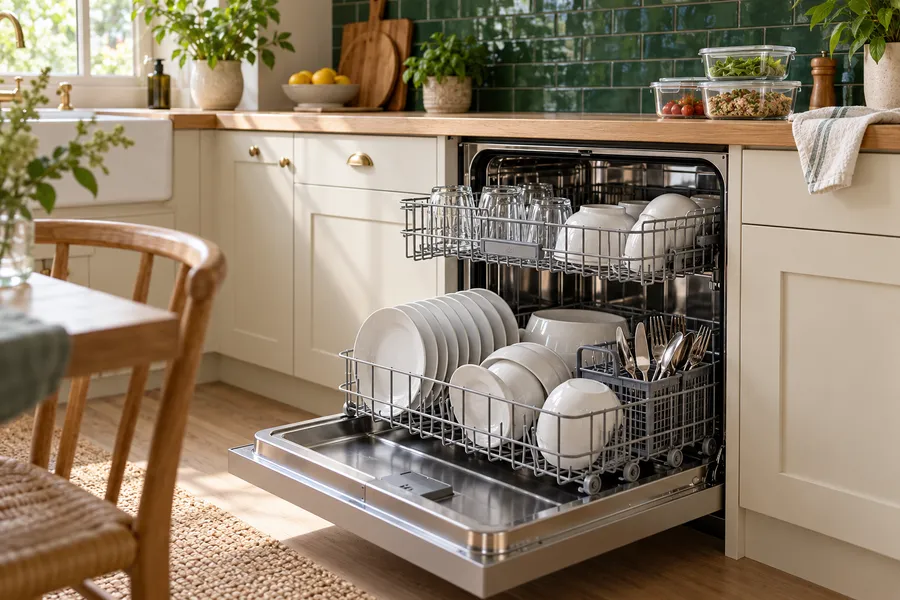
Measure the bottle height against the upper rack in the position you will use. A bottle standing upright can retain water, while an inverted bottle can still need appropriate spray access. Check whether lowering the rack compromises space for plates below.
Follow top-rack directions for lids and keep small compatible parts secure. Do not place a loose seal where it can fall into the filter. Separate components as instructed so water can reach the surfaces behind them.
After washing
Allow all parts to dry before reassembly and storage. Check seals and threads for damage, and replace parts through the manufacturer when needed. An odor trapped in a cap may require its specified detailed cleaning method rather than another ordinary wash.
Do not transfer the care instructions for a plain stainless bottle to a painted, insulated or electronic product from another maker. A dishwasher-safe label for the body does not automatically cover an aftermarket lid.