

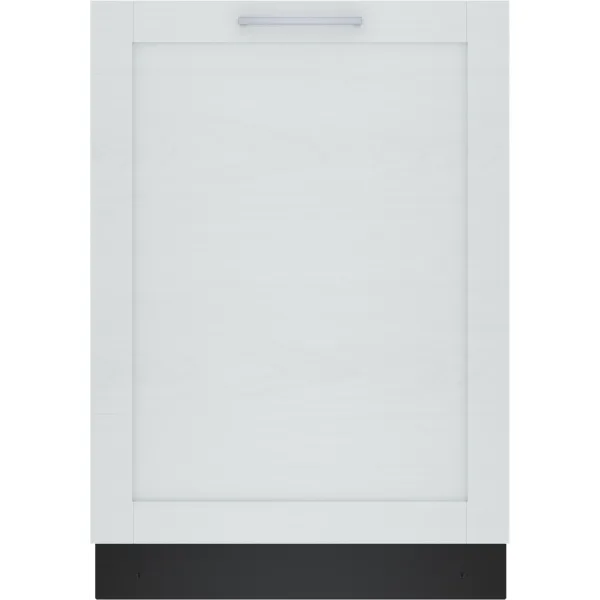
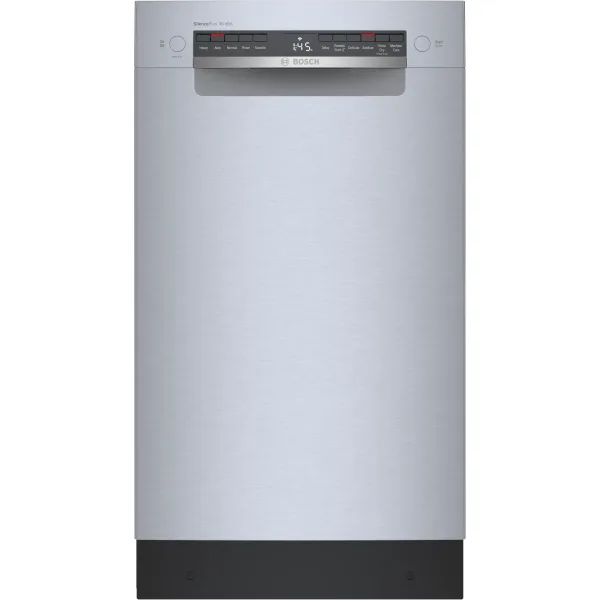
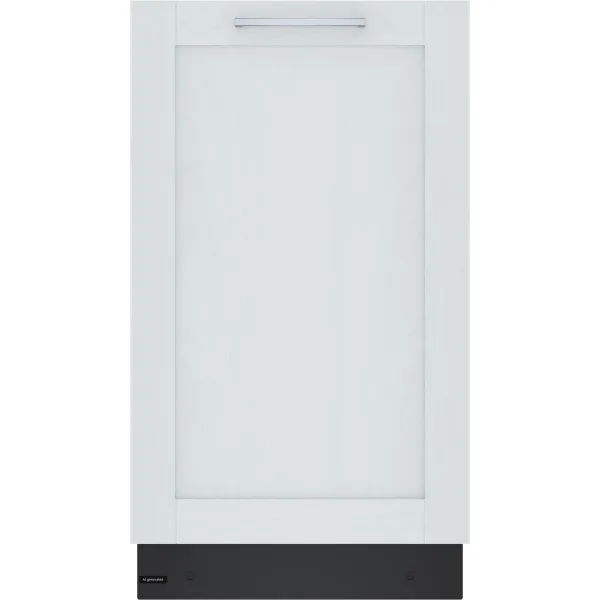
Three useful starting points
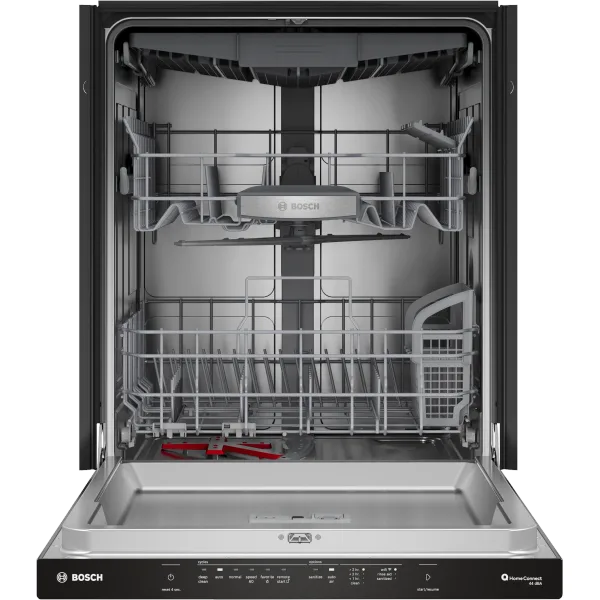
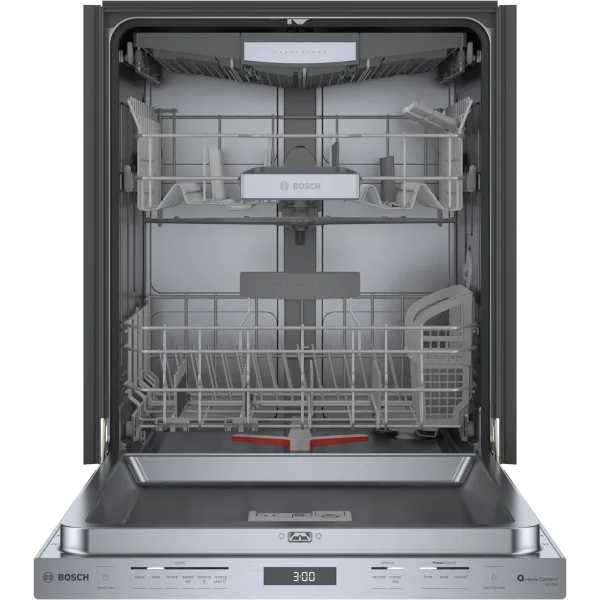
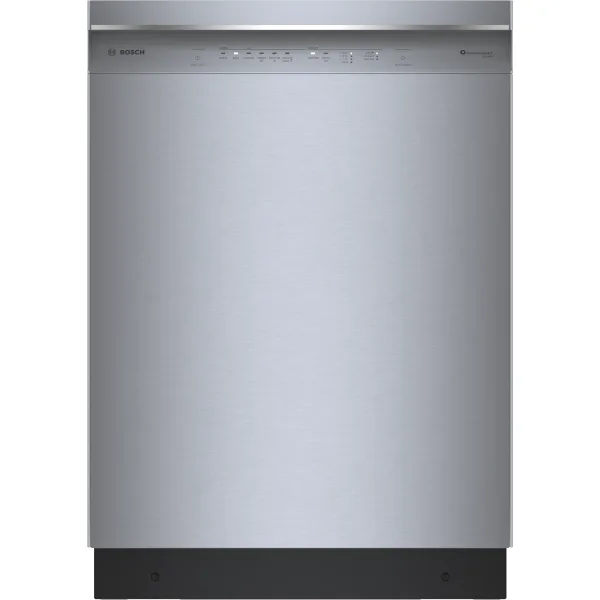
The SHE53C85N provides a 300 Series reference point with PureDry. The current SHP65DM5N uses AutoAir, which releases the door during drying, and adds Zone Wash. The SHP78CM5N 800 Series uses CrystalDry. These are different drying approaches; a higher series number does not mean every household needs the upgrade.
For regular plastic containers, investigate the 800 Series drying system. For an everyday mixed load, compare the 500 Series first. For a tighter purchase budget, the 300 Series deserves consideration if its racks suit your plates and you accept its drying approach. These editorial choices focus on features and practical fit.
Check the letters as carefully as the series
SHP65DM5N is not the older SHP65CM5N. The newer model has Zone Wash and a standard third rack; copying specifications from an older review can misdescribe the purchase. A panel-ready SHV model also needs cabinetry planning that a finished stainless model does not.
Take photographs of the exact specification label and measure your largest dishes when shopping. Ask whether all advertised functions are accessible on the control panel or require Home Connect. The most useful rack accommodates your normal load without blocking the spray arms.
What should influence the final decision?
Request a total including water and electrical connections, installation and removal. Check the opening height after accounting for flooring. For AutoAir, consider the open door in a narrow aisle and follow cabinet-protection instructions.
These particular 300, 500 and 800 examples should not be assumed to contain a water softener. In a hard-water home, confirm that feature explicitly rather than equating a premium series with mineral treatment. Local service access is another practical check; reputation cannot guarantee an individual appliance lifespan.